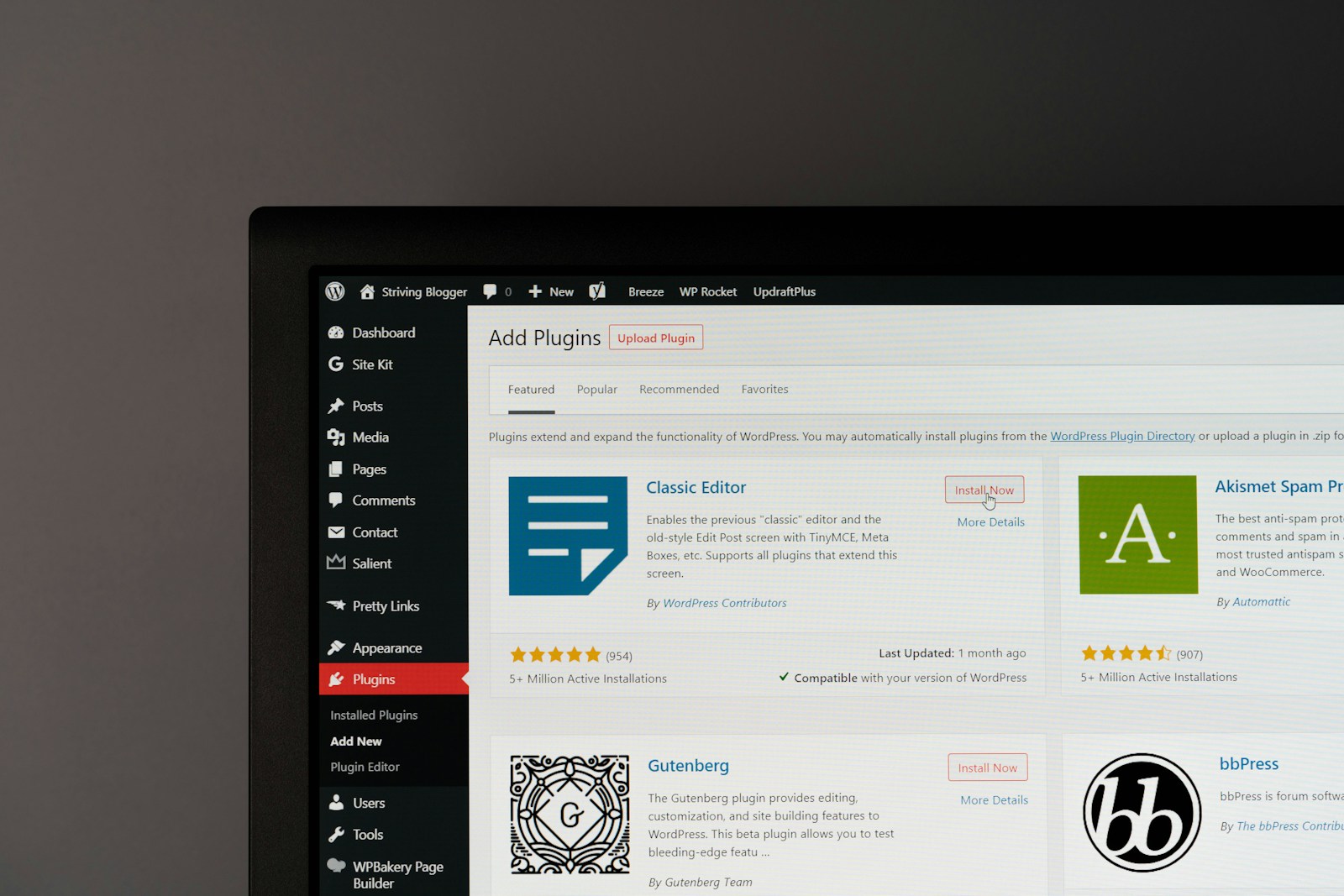

Artificial intelligence is rapidly transforming how websites are built, managed, and optimized, and WordPress is no exception. As the world’s most widely used content management system, WordPress is uniquely positioned to benefit from AI-driven automation, personalization, and performance optimization. While AI is still in the early stages of integration into WordPress core, its influence is already visible through plugins, hosting platforms, and third-party tools. The direction is clear: AI will become a foundational part of how WordPress sites are created and maintained. From content generation to performance optimization, artificial intelligence is redefining what’s possible for site owners and developers alike. This shift represents one of the most significant evolutions since the introduction of the block editor.
The Role of AI in the WordPress Ecosystem
AI as an Assistant, Not a Replacement
AI in WordPress is designed to enhance productivity rather than replace human creativity. Its primary purpose is to automate repetitive tasks, provide intelligent recommendations, and streamline workflows. The WordPress core team has repeatedly emphasized that AI should support creators rather than override them, a position reflected in ongoing discussions around AI and WordPress development. Tools powered by AI help with writing assistance, layout suggestions, and performance tuning, but they still rely on user input and review. This ensures quality, accuracy, and brand consistency remain under human control. As AI becomes more integrated, it will function as a productivity layer rather than an autonomous system. This balance is key to WordPress maintaining its flexibility and accessibility.
AI-Powered Content Creation
One of the most visible applications of AI in WordPress is content creation. AI-driven tools can generate drafts, optimize headlines, write meta descriptions, and assist with SEO-focused content creation. Plugins such as Yoast AI and Rank Math Content AI already allow users to generate optimized content directly inside the WordPress editor. These tools significantly reduce the time required to publish high-quality posts while maintaining consistency across large sites. However, AI-generated content still benefits from human editing to ensure factual accuracy and tone alignment. Google has also clarified that AI-generated content is acceptable as long as it provides value to users, as outlined in their guidance on AI-generated content and search. This makes AI a powerful assistant rather than a shortcut.
AI in Design and Layout Generation
AI is also beginning to influence how WordPress sites are designed. With the growth of the block editor and Full Site Editing, tools can now generate layouts, color palettes, and typography recommendations automatically. This aligns with WordPress’s long-term vision for the Block Editor and Gutenberg project. Some platforms already allow users to describe a website in plain language and receive a functional layout in return. This reduces reliance on prebuilt themes and lowers the barrier to entry for non-designers. As AI-driven layout generation improves, website creation will become faster and more intuitive. The result is greater design freedom without sacrificing performance or structure.
Why AI Matters for the Future of WordPress

Increased Efficiency for Site Owners
AI dramatically reduces the time and effort required to manage a WordPress site. Tasks such as image optimization, SEO analysis, content updates, and performance monitoring can now be automated. This allows site owners to focus on strategy, growth, and user experience rather than technical upkeep. AI-powered tools can also detect issues before they become serious problems, improving site reliability. For small businesses and solo creators, this level of automation can replace multiple manual processes. Over time, AI will become essential for maintaining efficient WordPress websites. The result is lower overhead and higher productivity.
Smarter SEO and Optimization
Search engine optimization is one of the areas where AI delivers the greatest impact. AI-powered SEO tools analyze search intent, keyword trends, and user behavior in real time. This helps WordPress users create content that aligns more closely with how search engines evaluate relevance. Platforms like Google have confirmed that AI-assisted content is acceptable when it prioritizes quality and usefulness, as explained in their Search Essentials documentation. AI can also improve internal linking, optimize metadata, and identify ranking opportunities. These insights allow site owners to adapt more quickly to algorithm changes. As search engines evolve, AI-driven SEO will become a competitive necessity.
Personalization and User Experience
AI enables WordPress sites to deliver more personalized experiences based on user behavior, location, and preferences. Content recommendations, dynamic layouts, and personalized calls-to-action are becoming more common. These features improve engagement and increase conversion rates. AI-powered personalization has long been used by large platforms, but it is now accessible to WordPress users through plugins and hosting integrations. Services such as Cloudflare are already leveraging AI for personalization and performance optimization, as outlined in their guide on AI-driven personalization. This shift allows WordPress sites to compete with enterprise-level platforms in terms of user experience.
Predictions for AI in WordPress

1. AI-Driven Site Building
AI-powered site creation is expected to become standard within the WordPress ecosystem. Users will be able to describe their business goals and receive a fully structured website in minutes. WordPress.com has already begun moving in this direction with its AI Website Builder. These tools generate layouts, content, and styling automatically. Over time, site creation will shift from manual setup to guided automation. This will dramatically lower the barrier to entry for new users. WordPress will evolve into a truly AI-assisted website platform.
2. Intelligent Content Management
AI will increasingly manage content updates, internal linking, and optimization tasks. It will identify outdated pages, suggest improvements, and even update content automatically when needed. This is especially valuable for large websites with hundreds or thousands of pages. AI can also analyze user engagement data to determine what content performs best. Over time, content management will become proactive instead of reactive. This will help site owners maintain relevance and consistency with less manual effort.
3. Advanced Performance Optimization
Performance optimization is another area where AI will play a major role. AI can analyze traffic patterns, caching behavior, and server performance in real time. Hosting providers already use AI to optimize infrastructure, as seen in platforms leveraging AI-based performance optimization. WordPress is expected to integrate more closely with these systems in the future. This will reduce the need for complex caching plugins and manual tuning. Faster load times will become the default rather than the exception.
4. Improved Security Through AI
Security is one of the strongest use cases for AI in WordPress. AI can detect unusual activity, block malicious traffic, and identify vulnerabilities faster than traditional rule-based systems. Security plugins already use machine learning to identify attack patterns and prevent breaches. Tools like Wordfence are actively incorporating AI-driven detection methods, as outlined in their research on AI and WordPress security. This proactive approach significantly reduces risk and downtime. As threats evolve, AI will become essential for protecting WordPress sites.
5. Better Developer Tools and Automation
AI will dramatically improve the WordPress developer experience. Code generation, debugging assistance, and performance recommendations will become more advanced. Developers will be able to prototype faster and resolve issues more efficiently. AI-assisted development will reduce repetitive tasks and speed up deployment cycles. This allows developers to focus on architecture, scalability, and innovation. Over time, AI will become a standard part of modern WordPress development workflows.
What This Means for WordPress Users
For WordPress users, AI represents a shift toward automation, efficiency, and smarter workflows. Tasks that once required technical expertise are becoming easier and more accessible. Content creation, optimization, and maintenance are becoming faster and more reliable. Businesses can scale without significantly increasing overhead. Developers can build better products in less time. Ultimately, AI is making WordPress more powerful while also making it easier to use.
Final Thoughts
AI is not replacing WordPress — it is enhancing it. The integration of artificial intelligence into content creation, design, performance, and security marks a new chapter for the platform. WordPress is evolving into a smarter, more adaptive ecosystem capable of meeting modern demands. As AI continues to mature, its role in WordPress will only expand. Those who adopt these tools early will gain a competitive advantage. The future of WordPress is intelligent, automated, and increasingly powerful.