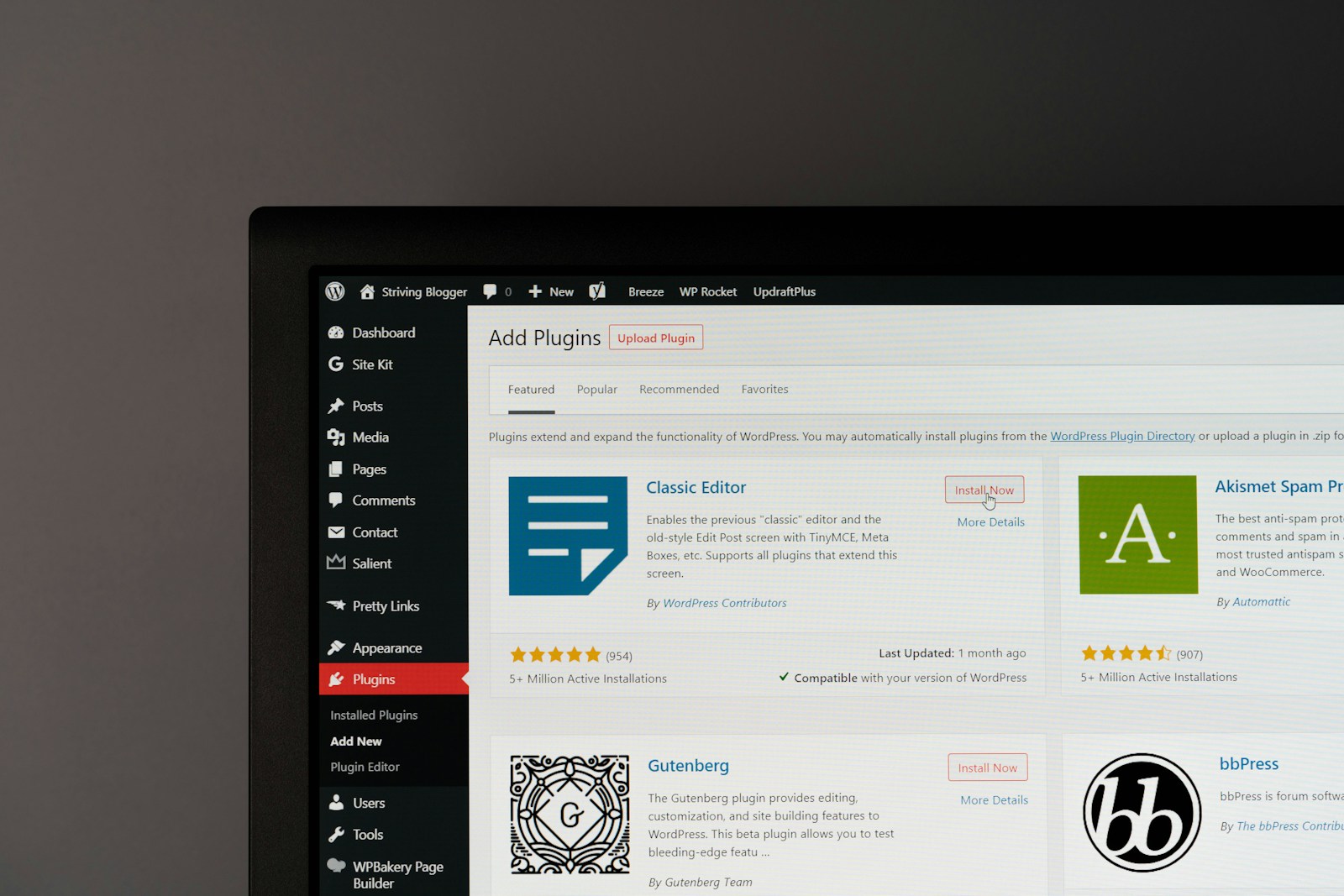

WordPress 6.9 represents a pivotal step in the platform’s evolution, reinforcing its commitment to performance, usability, and long-term scalability. While not a radical departure from previous releases, it reflects a strategic refinement of the tools and systems WordPress has been building toward for years. The update focuses on stabilizing the block editor, improving backend efficiency, and laying the groundwork for more advanced site-building capabilities. Rather than introducing flashy changes, WordPress 6.9 strengthens the foundation that future releases will build upon. This approach ensures continuity for developers while improving the experience for content creators and site owners. The release also signals a continued shift toward modern web standards and performance-first development. Overall, WordPress 6.9 is less about disruption and more about preparation for what’s next.
What’s New in WordPress 6.9

Continued Refinement of the Block Editor
The block editor continues to mature in WordPress 6.9, with a strong focus on stability and usability. Many of the improvements target workflow efficiency, making it easier to build and manage content without unnecessary friction. Block behavior is more consistent, reducing layout shifts and unexpected styling issues. Editing experiences feel smoother, especially for users working with complex page structures. Behind the scenes, code cleanup and optimization have improved editor performance across devices. These refinements make the editor feel more polished and predictable. Over time, this consistency builds confidence for users who rely on the editor daily.
Performance and Core Improvements
Performance enhancements are one of the most important aspects of WordPress 6.9. The release introduces optimizations that improve how WordPress loads assets, processes requests, and handles rendering. These changes reduce server strain and improve time-to-first-byte in many configurations. Developers will notice better efficiency when working with dynamic content and complex themes. For site owners, this translates to faster page loads and better user engagement. Improved performance also contributes directly to SEO benefits, especially with Google’s Core Web Vitals metrics. Overall, WordPress 6.9 continues the trend of making performance a core priority rather than an afterthought.
Accessibility Enhancements
Accessibility remains a major focus in WordPress 6.9, with several updates aimed at improving usability for all users. Keyboard navigation has been refined to ensure smoother movement through menus and editing interfaces. Visual contrast and labeling improvements make the admin interface easier to understand and use. Screen reader compatibility continues to improve, helping WordPress remain compliant with accessibility standards. These updates benefit not only users with disabilities but also anyone who values clarity and ease of use. Accessibility improvements also help site owners meet legal and ethical standards. This ongoing commitment ensures WordPress remains inclusive and widely usable.
Why WordPress 6.9 Matters
Strengthens the Full Site Editing Vision
WordPress 6.9 further solidifies Full Site Editing as the platform’s future direction. The tools for managing headers, footers, templates, and global styles are becoming more reliable and intuitive. This allows users to build fully customized sites without relying on third-party page builders. The separation between content and layout continues to shrink, offering more design freedom. As these tools mature, they reduce dependency on custom themes and heavy plugins. This shift also simplifies long-term maintenance and updates. Ultimately, WordPress is moving closer to being a true visual website builder without sacrificing performance.
Signals a Long-Term Performance Strategy
The performance improvements in WordPress 6.9 indicate a broader strategy rather than one-off optimizations. Core contributors are clearly focused on making WordPress faster at the foundational level. This includes better handling of scripts, improved caching behavior, and more efficient database interactions. These changes benefit both small websites and large-scale applications. As hosting environments evolve, WordPress is adapting to take advantage of modern server capabilities. Performance is no longer something left entirely to plugins or hosting providers. Instead, it is becoming a core responsibility of the platform itself.
Improves Developer Confidence
WordPress 6.9 offers developers a more stable and predictable environment. APIs are becoming more consistent, and block development workflows are easier to manage. The platform continues to move toward modern development standards without breaking backward compatibility. This balance allows developers to innovate while maintaining existing projects. Improved documentation and cleaner architecture also reduce development friction. Over time, these improvements lower maintenance costs and speed up development cycles. For agencies and freelancers, this means greater confidence in building long-term WordPress solutions.
Predictions for WordPress After 6.9

1. Deeper Full Site Editing Capabilities
Future versions of WordPress are expected to expand Full Site Editing even further. Users will likely gain more control over layouts, spacing, and responsive behavior without writing custom CSS. Template logic may become more dynamic, allowing conditional rendering based on content or user roles. Global styling tools will continue to evolve, giving designers greater flexibility. These changes will make WordPress more competitive with modern site builders. At the same time, performance-conscious design will remain a priority. The end goal is powerful customization without sacrificing speed or stability.
2. Smarter Block Ecosystem
The block system will continue evolving into a modular, scalable framework. Expect improvements in block performance, reusability, and organization. Developers may gain better tools for managing block libraries across projects. Third-party block ecosystems are also likely to grow as standards stabilize. This will make it easier to build complex layouts without excessive plugins. Over time, blocks will become the foundation of most WordPress development. This shift simplifies both design and long-term maintenance.
3. Stronger Performance Tooling
Performance tooling is expected to become more visible within WordPress itself. Future releases may introduce built-in diagnostics or performance insights. Caching behavior could become more intelligent and configurable at the core level. Asset loading may be further optimized for modern browsers and devices. These improvements will reduce the need for heavy optimization plugins. For developers, this means more predictable performance across environments. For users, it means faster websites with less manual tuning.
4. Better Developer Experience
Developer experience will remain a major focus in upcoming releases. WordPress is steadily improving its APIs, documentation, and tooling. Local development workflows are becoming more streamlined and standardized. Block development is becoming easier to manage and maintain. These improvements reduce friction and encourage best practices. Over time, WordPress is becoming more attractive to modern development teams. This helps ensure its relevance in an increasingly competitive CMS landscape.
5. Security and Stability Enhancements
Security continues to be a top priority for WordPress as its usage grows. Future releases will likely include stronger default security measures and improved permission handling. API security and user role management are expected to become more granular. These changes help protect both small websites and large enterprise deployments. Stability improvements also reduce the risk of breaking changes between versions. Together, these efforts help maintain trust in WordPress as a long-term platform. Security and reliability will remain central to its evolution.
What This Means for Site Owners
For site owners, WordPress 6.9 represents a move toward simplicity, performance, and future-proofing. The platform is becoming easier to manage without sacrificing flexibility. Performance improvements lead to better user experiences and stronger SEO results. The growing power of Full Site Editing reduces reliance on expensive plugins or custom development. Site maintenance becomes easier as core functionality improves. This allows businesses to focus more on content and growth rather than technical issues. Overall, WordPress is becoming more efficient and more capable at the same time.
Final Thoughts
WordPress 6.9 is a foundational release that emphasizes refinement over reinvention. It strengthens the core, improves performance, and prepares the platform for the next generation of features. The continued evolution of Full Site Editing, performance tooling, and developer experience signals a clear direction for the future. Rather than chasing trends, WordPress is building a stable, modern framework that can evolve for years to come. For developers, agencies, and site owners alike, this is a positive sign. WordPress remains not only relevant, but increasingly powerful as a long-term web platform.